
Quantify AI Risk to Support Confident, Data-Driven Decisions
Kovrr’s AI Risk Quantification (AIRQ) helps organizations financially govern and secure AI risk with precision and scale. Its simulation-based modeling engine calculates the likelihood and potential losses of AI-related incidents using industry data, mapped controls, and frequency–severity distributions. The results translate complex exposure into clear financial and operational terms, enabling leaders to prioritize protections, report risk, and strengthen resilience.
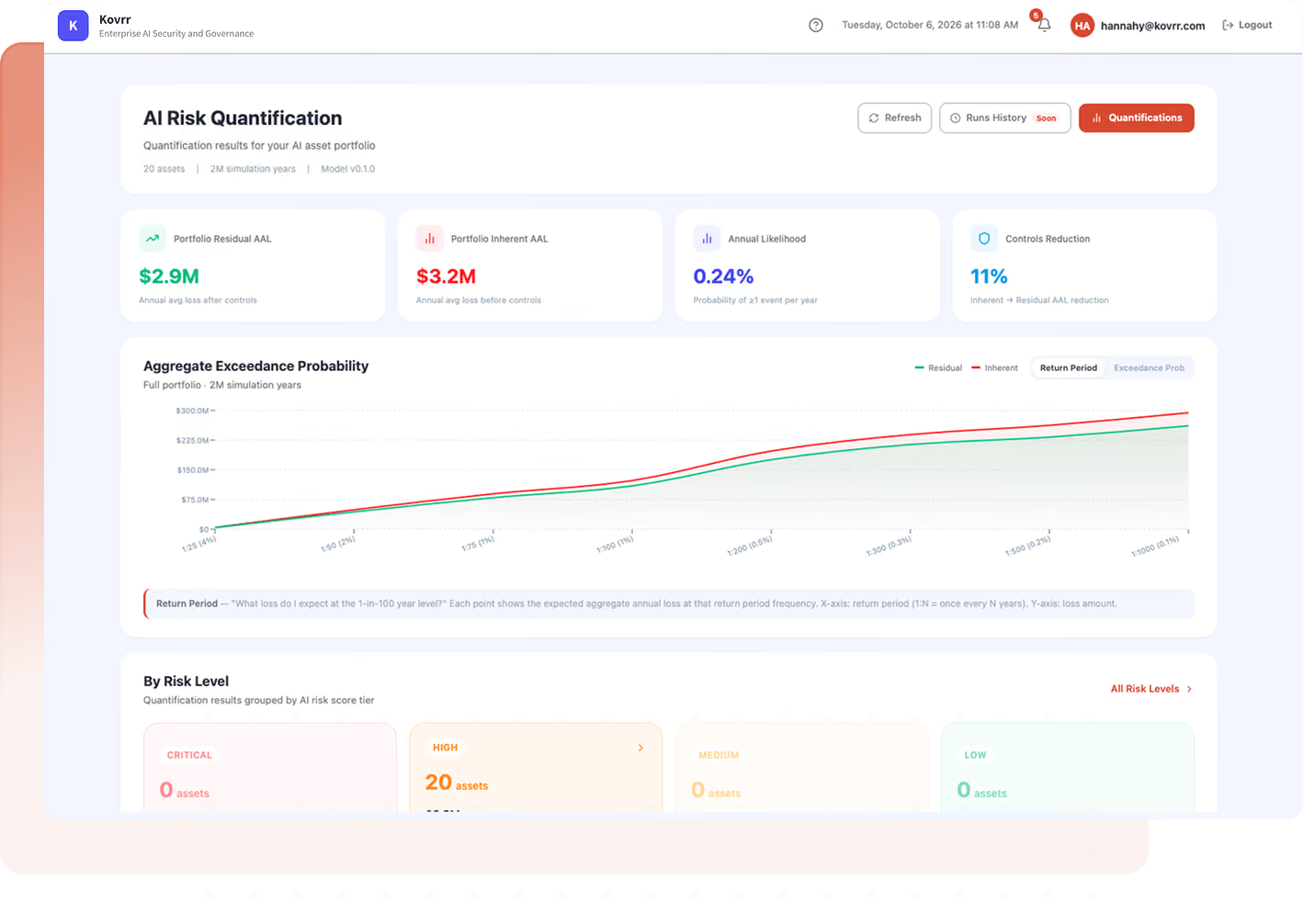
Identify business parameters such as industry, revenue, and regulatory obligations to set the baseline for analysis.
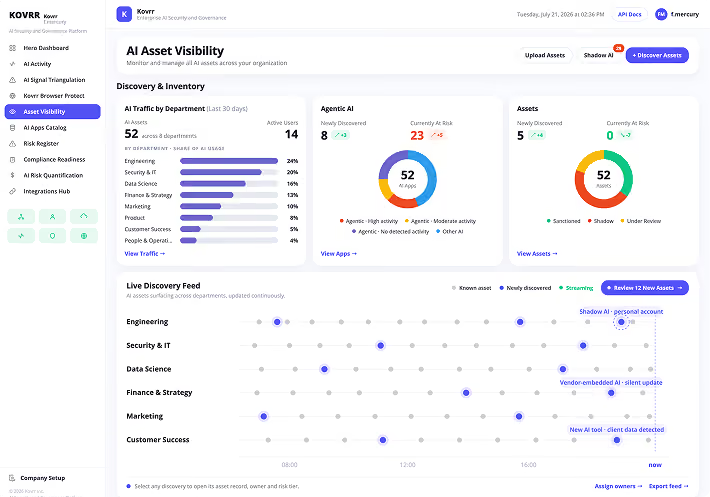
Capture model access, data types handled, reliance factors, and existing controls to shape accurate, customized AI risk profiles.
Leverage Kovrr’s AI quantification engine to calculate incident frequency and severity using tailored threat intelligence.
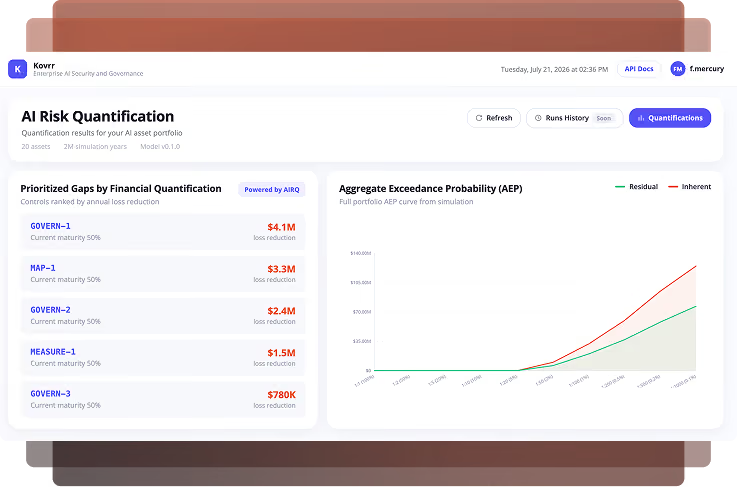
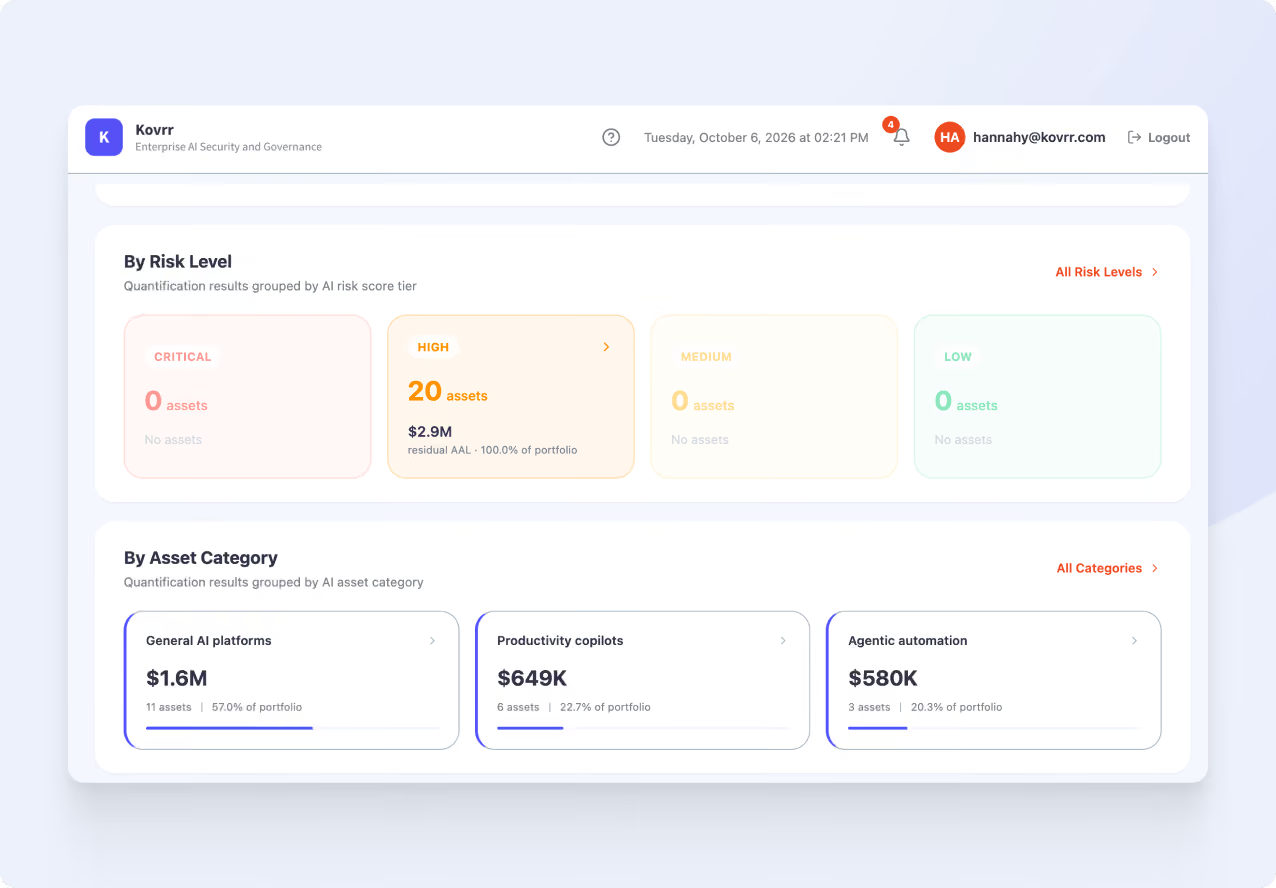
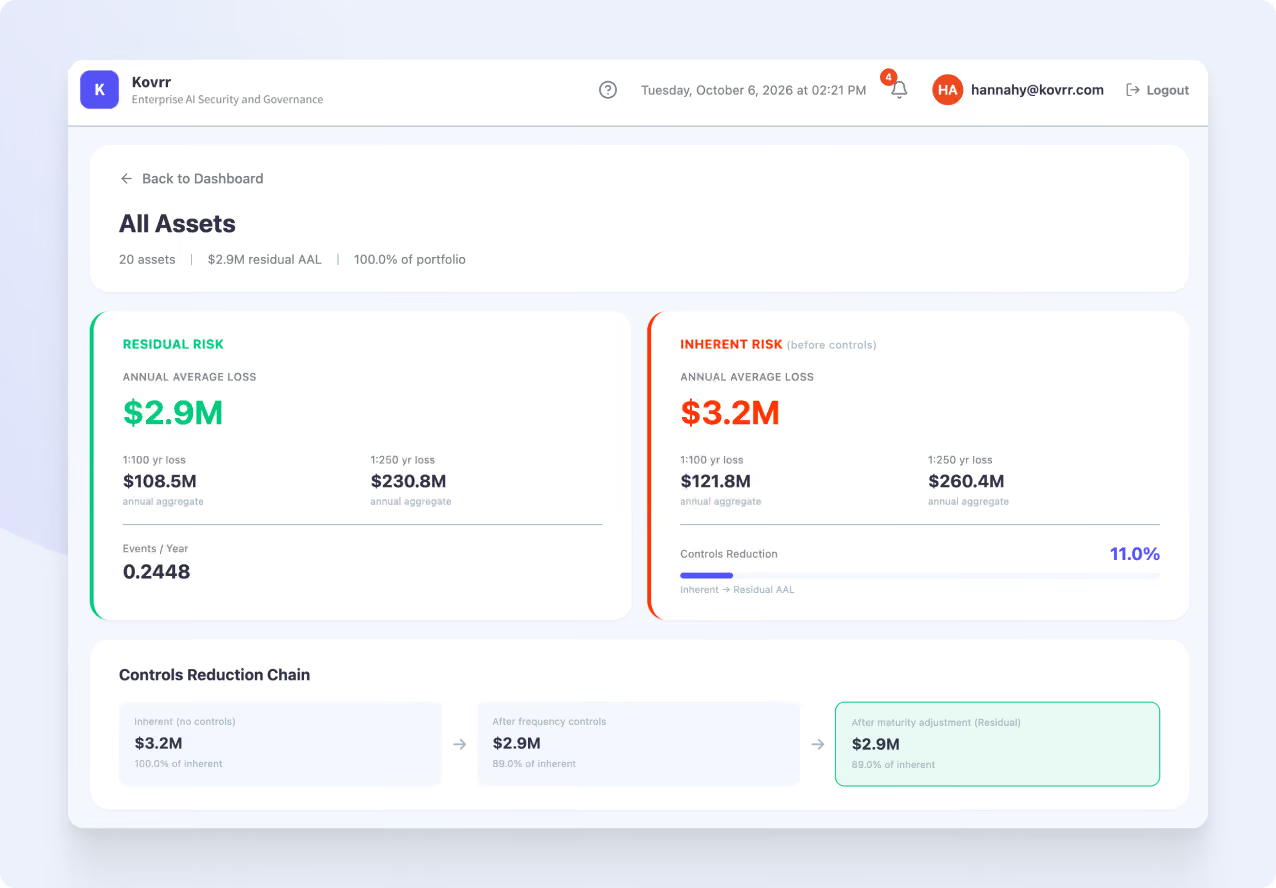
Examine metrics such as Annualized Loss Expectancy (ALE) and loss exceedance curves, broken down by access vector and event type.
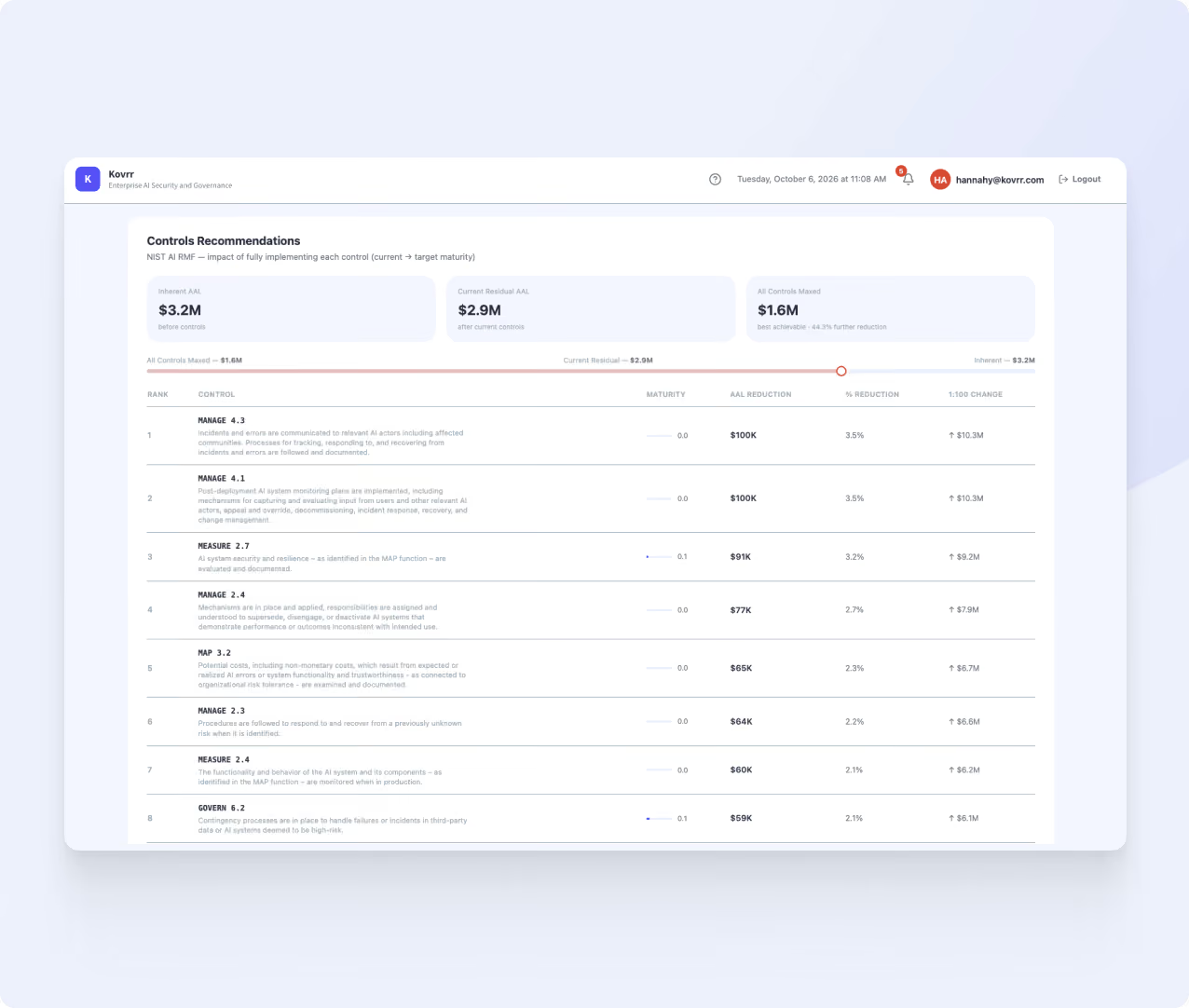
Pinpoint the controls and mitigations that offer the highest reduction in modeled financial loss and allocate resources accordingly.
The Market Stakes of AI Risk Are Rising
AI, including but not limited to autonomous AI agents, is being deployed faster than risk teams can assess its implications. Frameworks like NIST AI Risk Management Framework (AI RMF) and ISO 42001 define responsible practices, but they don’t quantify incident likelihood or potential impact. Managing AI risk requires data-driven financial modeling of exposure so organizations can prioritize investments accordingly.
AI Risk Quantification
in Practice
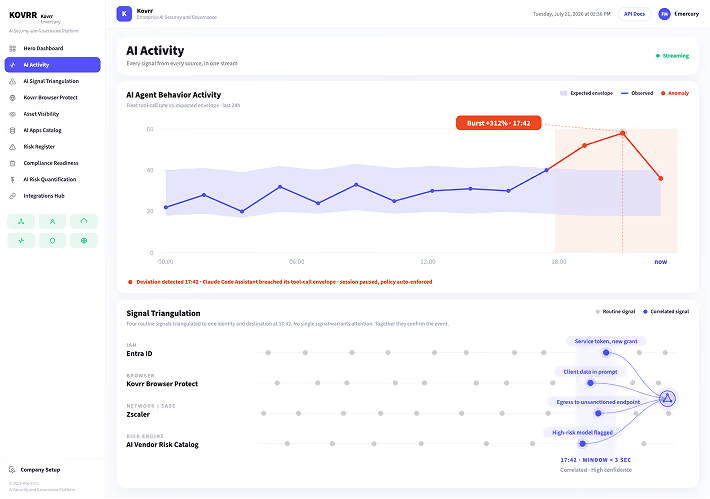
Kovrr’s process starts by capturing how AI systems and agents are deployed. It incorporates real-world threat intelligence and mapped controls to simulate realistic loss scenarios. The AIRQ models forecast frequency and severity, producing a dynamic view of AI-related exposure that evolves as environments change. These financially quantified results form a defensible basis for prioritizing mitigations and supporting governance decisions.
The Value of Quantifying AI Risk
Financial AI risk quantification turns AI exposure into a practical decision-making asset that supports governance, compliance, and strategic planning.
Communicate AI Risk to Leadership: Express AI risk exposure in financial and operational terms that executives can act on, enabling transparency and informed decisions.
Prioritize and Prove ROI: Use financially modeled results to direct investments toward high-impact safeguards and demonstrate measurable improvement over time.
Strengthen GRC Programs: Incorporate quantified financial findings into governance and compliance processes to guide capital allocation, set risk appetite, and track materiality.
Financially quantifying AI and agentic AI risk brings measurable clarity to governance programs, enabling leaders to act on evidence rather than assumptions.
Need to Assess Your AI Compliance?
Kovrr’s AI Compliance solution evaluates governance and control maturity for AI systems, including autonomous agents. Built on frameworks like the NIST AI RMF, including its Generative AI Profile (NIST AI 600-1), and ISO/IEC 42001, it identifies readiness gaps and establishes the foundation for defensible AI risk management.


AI Risk Quantification FAQs
Schedule AI Risk Quantification DemoWhat is AI Risk Quantification (AIRQ)?

What types of AI systems can be analyzed with AI quantification?
Can AIRQ measure both financial and operational impacts?
How can AI quantification results be used in board and executive reporting?
